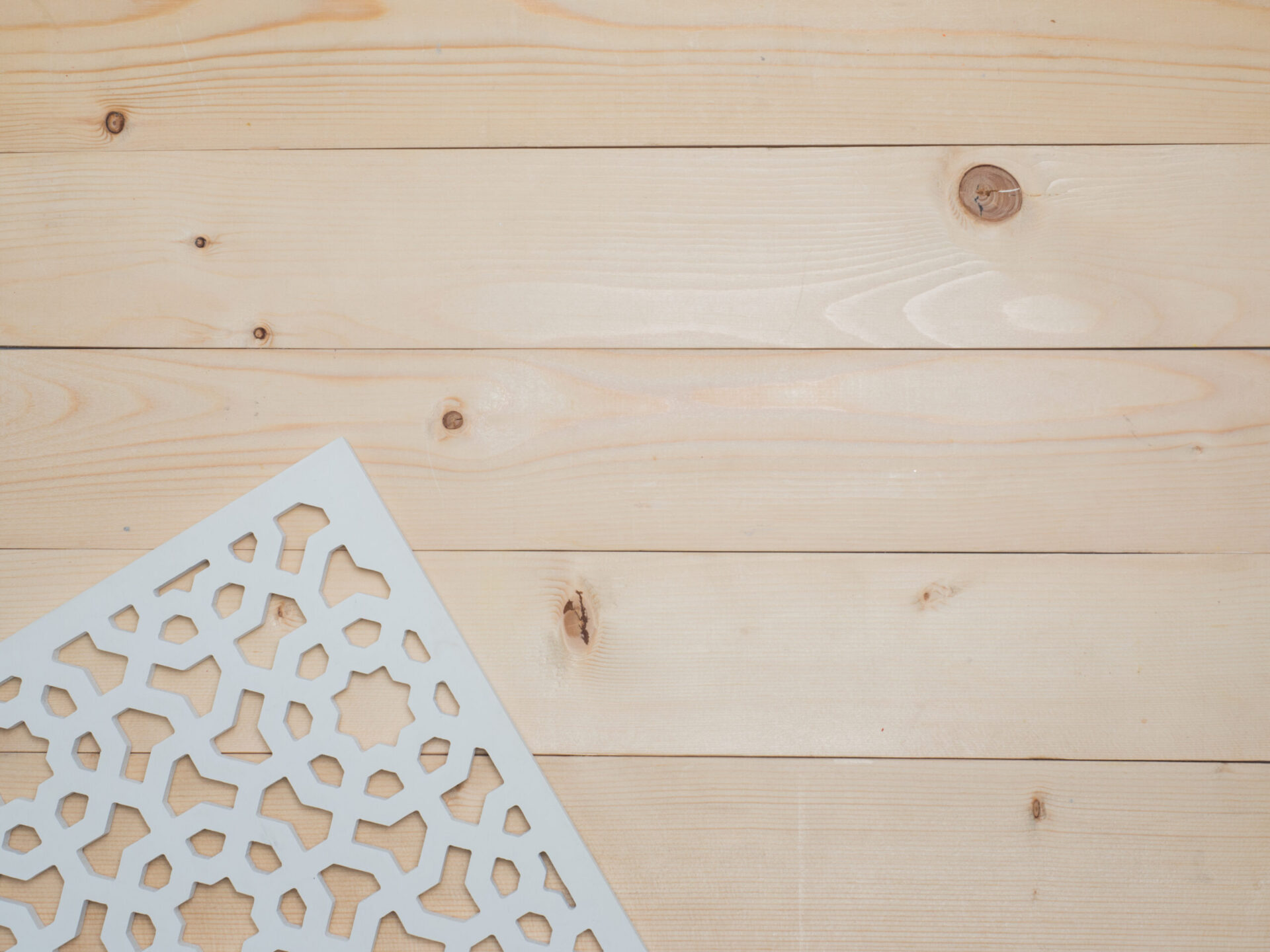
CNC cutting gives furniture makers, designers, contractors and private clients a repeatable way to turn a digital drawing into accurately machined sheet material. For projects in Malta, it can be particularly useful for cabinetry, furniture components, panels, templates, prototypes and one-off custom work.
What CNC cutting does
A CNC router follows toolpaths generated from a digital drawing. Instead of marking and cutting every component manually, the machine works from defined geometry and dimensions. The result can be greater consistency across repeated parts and more efficient preparation for assembly.
From an idea to a cut part
The starting point can be a DXF drawing or, for simpler enquiries, clear dimensions and project information. Material, thickness, sheet size, part spacing and machining requirements all affect how a job is prepared. The drawing still needs production review before the final price and machining plan are confirmed.
Typical CNC woodworking applications
CNC is well suited to cabinet components, shelving, furniture parts, decorative panels, templates and accurately repeated shapes. It is also useful when a bespoke woodworking project combines machined components with traditional assembly and finishing.
Material and thickness matter
MDF, plywood and other suitable sheet materials behave differently and are available in different thicknesses. Choosing the right material is part of the design process, not simply a pricing decision.
Planning a CNC enquiry
For the clearest quotation, provide the DXF where available, confirm the intended material and thickness, and add any notes that affect machining or orientation. L-INGROPP reviews the submitted information before the production price is confirmed.